

Have you ever walked into a room and immediately felt calm… or stressed for no clear reason? That feeling isn’t random. It has everything to do with the psychology of space — how our living environment influences our mind, emotions, and overall wellbeing.
Most of us spend a huge portion of our lives inside our homes, yet we rarely consider how the layout, lighting, or even wall colors affect how we think and feel. The truth is: the spaces we live in can support our mental health or silently drain it.
In this guide, we’ll explore how home design impacts mood and behavior, and how you can use simple design changes to create a healthier, happier home.
What Is the Psychology of Space?
The psychology of space is a principle from environmental psychology that focuses on how our surroundings shape our emotions, thoughts, and behaviors. The spaces we occupy communicate with our brain constantly. They can:
- Calm or overwhelm the senses
- Support focus or trigger distraction
- Provide a sense of safety or discomfort
- Strengthen identity or make us feel disconnected
A well-designed home doesn’t just look nice. It makes everyday life easier, encourages positive habits, and supports emotional wellbeing.
The Mind-Home Connection: How Spaces Influence Our Mood
The brain’s response to living spaces
Our brains are always scanning the environment for signals. Clutter, poor lighting, and visual chaos increase cognitive load — meaning the brain must work harder just to exist in the room. This can lead to higher stress, irritation, and low productivity without us realizing why.
On the other hand, open layouts, clear pathways, and balanced design help the brain feel relaxed and in control. We think better, sleep better, and feel more motivated in spaces that reduce mental friction.
Familiarity, identity, and emotional comfort
Homes filled with meaningful décor or family items create emotional security. This personal touch reminds us who we are and what matters most. When a home lacks identity or feels temporary, people may experience detachment or restlessness.
A mentally supportive home feels like yours — a space where you belong.
Key Design Elements That Influence Mental Health
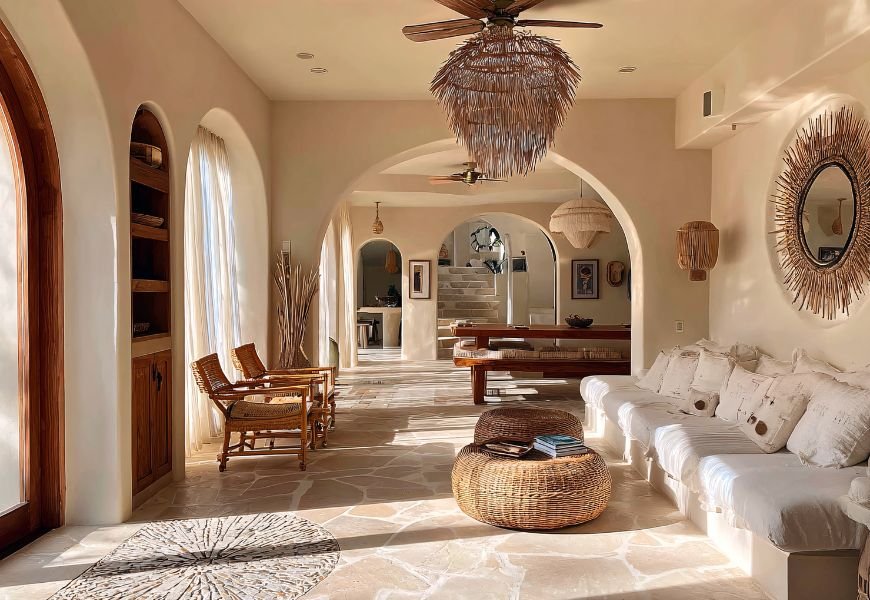
Natural light and mood regulation
Daylight exposure affects our internal clock, sleep patterns, and hormone levels. Poor lighting can disrupt energy and lead to low mood.
Actionable ideas:
- Keep windows clear of heavy curtains during the day
- Position seating near natural light sources
- Add mirrors to reflect sunlight into darker corners
The impact of color psychology
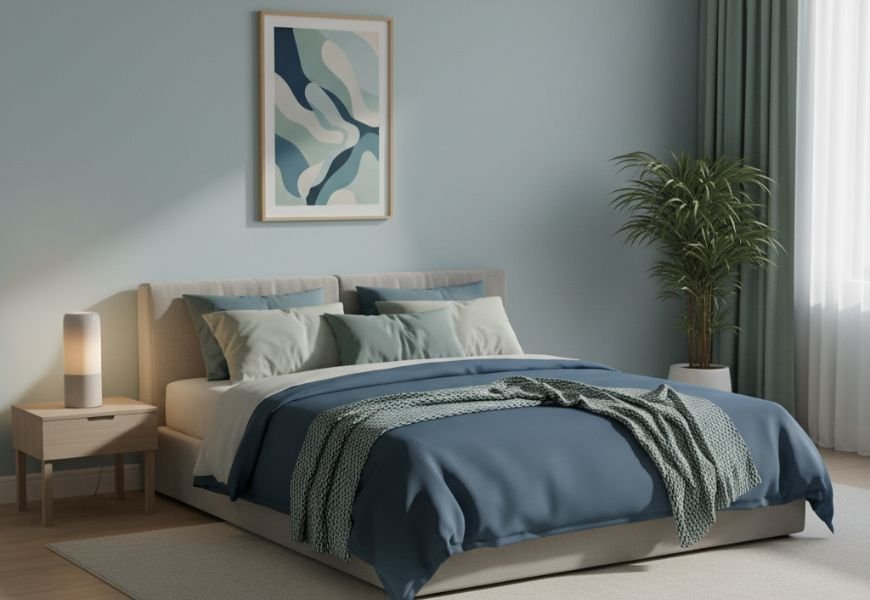
Colors carry emotional meaning. They can uplift, energize, or soothe.
Examples:
- Soft blues and greens encourage relaxation and are great for bedrooms
- Warm tones like terracotta add comfort to living spaces
- Bright yellows support creativity in offices or play areas
Choose colors that match the function of each room.
Layout and flow
When movement through a room feels blocked or messy, stress rises. A layout that directs flow logically creates a sense of ease.
Try:
- Avoiding furniture that becomes an obstacle
- Keeping essential items within easy reach
- Allowing open pathways between frequently used spaces
Texture, materials, and sensory experience
Textures trigger different emotional responses:
- Plush fabrics = comfort and warmth
- Natural materials like wood or stone = grounding and stability
Aim for a calming sensory balance rather than overstimulation.
Greenery and biophilic design
Plants help us reconnect with nature, and research shows they can reduce anxiety and improve concentration.
Easy starters:
- Snake plant, pothos, or peace lily for low-maintenance air purification
- Small herb planters in the kitchen
Bringing life indoors contributes to mental wellbeing.
The Hidden Influence of Clutter on Mental Health
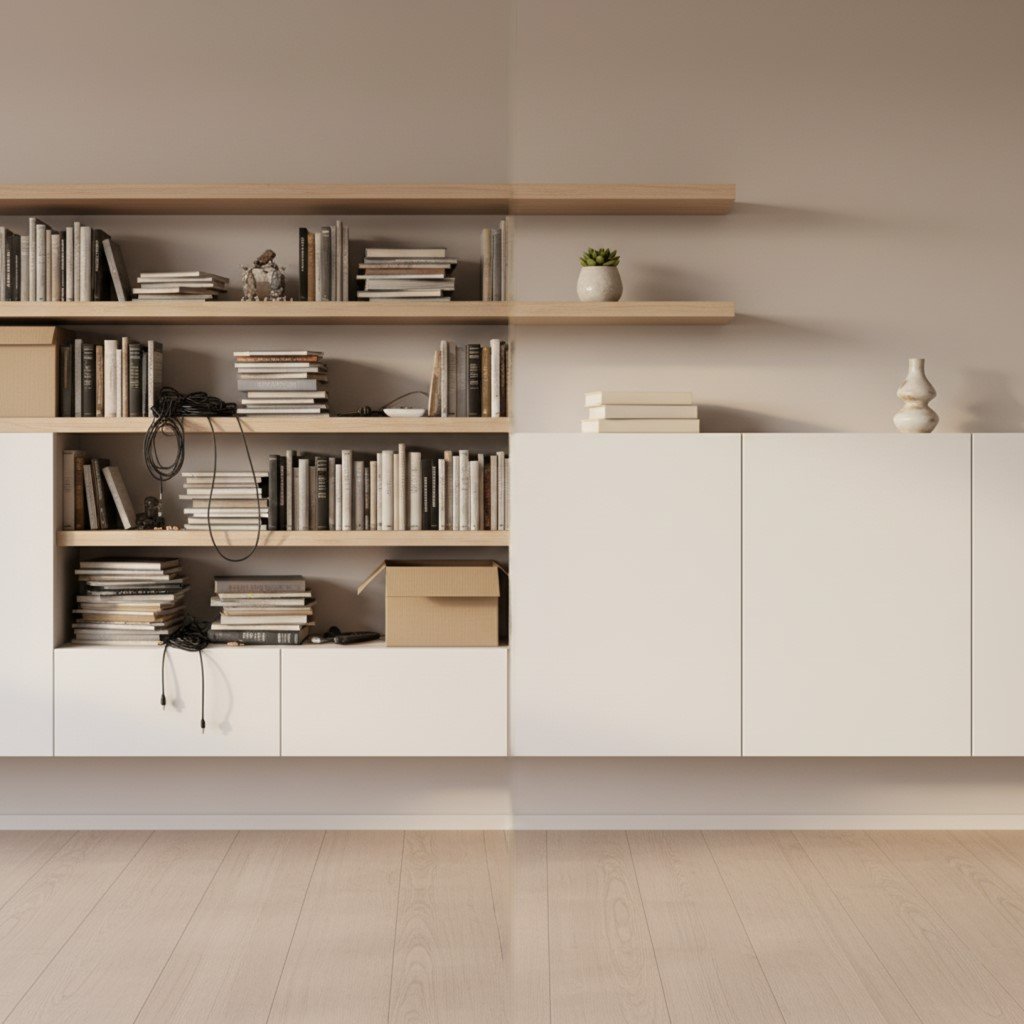
Clutter sends constant visual reminders of unfinished tasks. It overwhelms the brain and can lead to anxiety, low motivation, and even sleep issues.
Instead of extreme minimalism, aim for functional organization.
Actionable decluttering tips:
- Keep only what you use and love
- Give everything a designated home
- Start with one drawer or one shelf at a time
- Maintain small daily habits instead of rare big clean-ups
A clear space supports a clear mind.
Creating Purposeful Spaces for a Healthy Mind
Every space should serve the life you want to live.
Bedrooms should encourage rest
Remove anything that triggers activity or stress:
- Work files
- Bright screens
- Harsh lighting
Invest in comfort and calm: soft bedding, low lighting, and cool colors.
Workspaces should support focus
Create a defined perimeter for productivity:
- A proper desk instead of working from bed
- Storage that hides clutter
- Plants or natural textures for calm focus
Emotional safety through privacy and boundaries
Quiet corners, reading nooks, or even a cozy chair can offer a retreat when life feels loud. Everyone in the home benefits from having a personal space to recharge.
What If You Have a Small Home?
You don’t need a large house to experience the benefits of good interior psychology. Small adjustments make a big difference.
Smart ideas for small spaces:
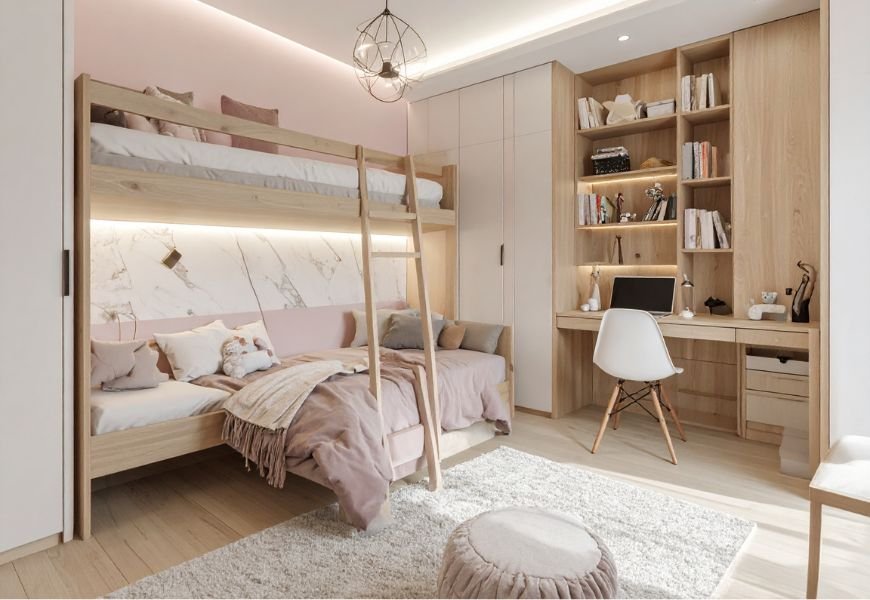
- Use vertical storage to free floor space
- Choose multi-functional furniture, like ottoman storage
- Use light, neutral colors to visually expand the room
- Add mirrors to create depth and movement
Small homes can feel spacious and peaceful with thoughtful design choices.
When Home Design Becomes Harmful
Some environments can intensify mental health challenges:
- Very low light
- Loud or unpredictable noise
- Poor air quality or cramped spacing
- Constant clutter or disorganization
If your home regularly makes you feel drained, angry, or anxious, it may be a sign that your space needs attention — or that support from a designer or mental health professional could help.
Our living conditions are not just physical; they are emotional systems that affect our daily stability.
Expert Tips from Interior Psychology Principles
Interior psychologists recommend:
- Make your space reflect your values and goals
- Prioritize comfort and practicality before aesthetics
- Design around routine: morning light, sleep hygiene, relaxation zones
- Focus on balance: not too empty, not too busy
A supportive home is one where each item has purpose — enhancing your life instead of complicating it.
Frequently Asked Questions
How does interior design affect mental health?
Lighting, colors, layout, and clutter all influence stress levels, energy, and emotional wellbeing.
Which interior designs reduce anxiety?
Calming colors, soft textures, natural light, clear pathways, and organized storage create relaxing environments.
Does natural light improve mood?
Yes. It regulates hormones related to happiness, sleep, and energy.
How can I make my home feel happier?
Bring in natural elements, reduce visual noise, personalize your décor, and create spaces that support rest and joy.
Final Thoughts: Make Your Space Support Your Wellbeing
Your home is not just a backdrop to your life. It actively shapes how you feel every single day. The psychology of space reminds us that comfort and mental balance start where we live.
Small adjustments — tidying a corner, adding a plant, choosing calming colors — can spark meaningful emotional change. By designing with purpose and awareness, your home can become a true place of restoration, identity, and joy.
Create a home where your wellbeing feels at home too.